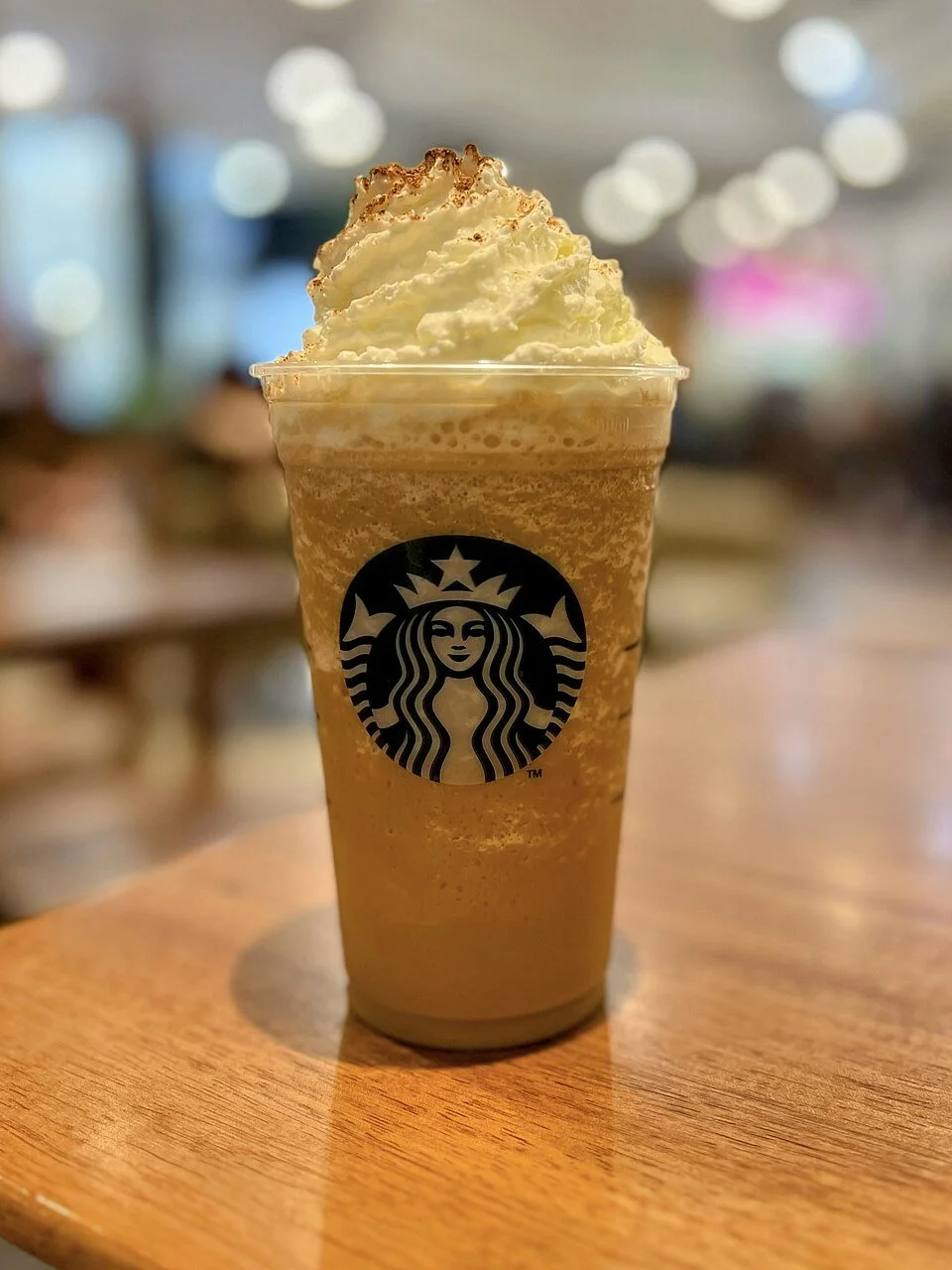
Photo credit: Mr White, CC BY 4.0, via Wikimedia Commons

Starbucks brought the Pumpkin Spice Latte back on August 25 this year, and Google searches for "pumpkin spice" started climbing a full month earlier than in 2024 — an early signal of demand that sourcing and procurement teams had to plan around months in advance. The PSL is Starbucks' best-selling seasonal drink ever, with hundreds of millions sold since it launched in 2003. But the sourcing story behind it is a useful case study in how a single seasonal SKU can span two completely different, equally fragile supply chains: one domestic and industrial, one tropical and climate-exposed.
Two Ingredients, Two Very Different Origins
The "pumpkin" in a PSL and the "spice" in a PSL barely resemble each other as sourcing problems. Pumpkin puree is sourced almost entirely from U.S. farms, largely concentrated in Illinois, which produces the majority of the country's processing pumpkins. That's a domestic, contracted, relatively short supply chain — farmers grow under long-term agreements with major processors, harvest runs on a predictable late-summer to fall calendar, and the biggest variable is weather in a fairly narrow geographic band.
The spice blend is the opposite. Cinnamon, nutmeg, and clove are grown almost exclusively in tropical regions thousands of miles from any US roastery — cinnamon largely from Sri Lanka and Indonesia, nutmeg and clove concentrated in Indonesia, India, and small-island producers like Grenada. That's a long, multi-tier supply chain running through smallholder farms, local aggregators, and export processors before the spice ever reaches a US supplier.
The Spice Side Is the Real Sourcing Risk
Pumpkin puree sourcing is fairly stable, which is exactly why most of the actual supply risk in a PSL sits on the spice side. Nutmeg and clove trees are vulnerable to fungal disease in prolonged wet conditions, and cinnamon yields in Sri Lanka are highly sensitive to shifting rainfall patterns. These aren't annual row crops — a cinnamon or nutmeg tree takes seven to ten years to mature, so a bad season or a damaged crop doesn't get corrected the next planting cycle. It gets corrected, if at all, the better part of a decade later.
The category has a documented worst-case precedent: Hurricane Ivan destroyed roughly 70% of Grenada's nutmeg trees in a single season, and global nutmeg supply felt that shock for years afterward. India's outsized role as the world's largest spice producer and exporter means that any weather disruption or policy shift there has an outsized ripple effect on global spice pricing well beyond what any single buyer's contract terms can hedge against.
What This Means for Procurement Planning
For sourcing teams — whether you're buying spice blends for a beverage program, a bakery line, or a CPG product — the PSL supply chain is a reminder that "seasonal ingredient" and "commodity risk" aren't the same thing, and shouldn't be sourced with the same playbook. The domestic, contracted side of a seasonal product can usually be planned a year out with reasonable confidence. The tropical, smallholder-dependent side needs a different approach: longer lead times, diversified origin countries within a spice category rather than single-country dependency, and enough contracted volume locked in early to avoid competing for scarce supply against every other food and beverage brand chasing the same August-to-November demand spike.
The PSL's popularity means Starbucks and its suppliers can absorb sourcing volatility that a smaller brand couldn't. But the underlying lesson travels well beyond one drink: when a seasonal hit product depends on an ingredient with a decade-long replanting cycle and concentrated geographic exposure, the sourcing plan has to start well before the marketing calendar does.
Sources:
Starbucks reveals Pumpkin Spice Latte return date for 2026 — LiveNOW from FOX
Pumpkin Spice Season Starts Early With Starbucks PSL Return — Baller Alert