A Renaissance Supply Chain You Can Still Appreciate
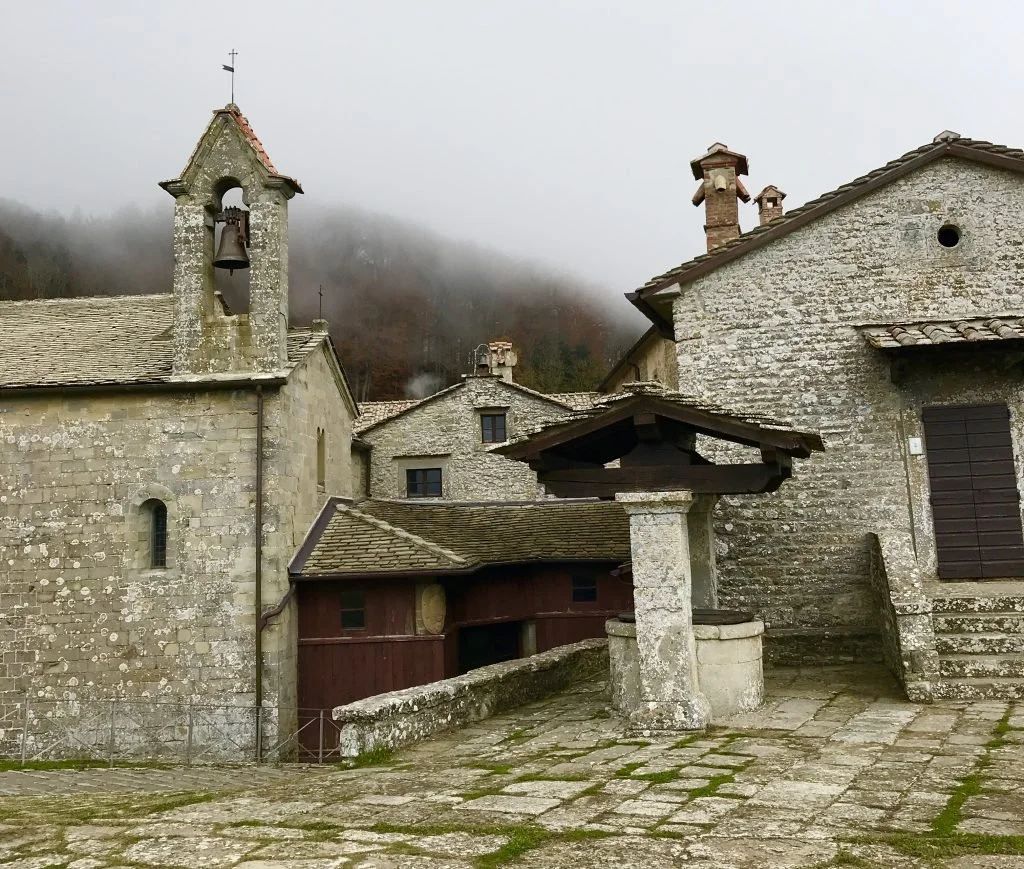
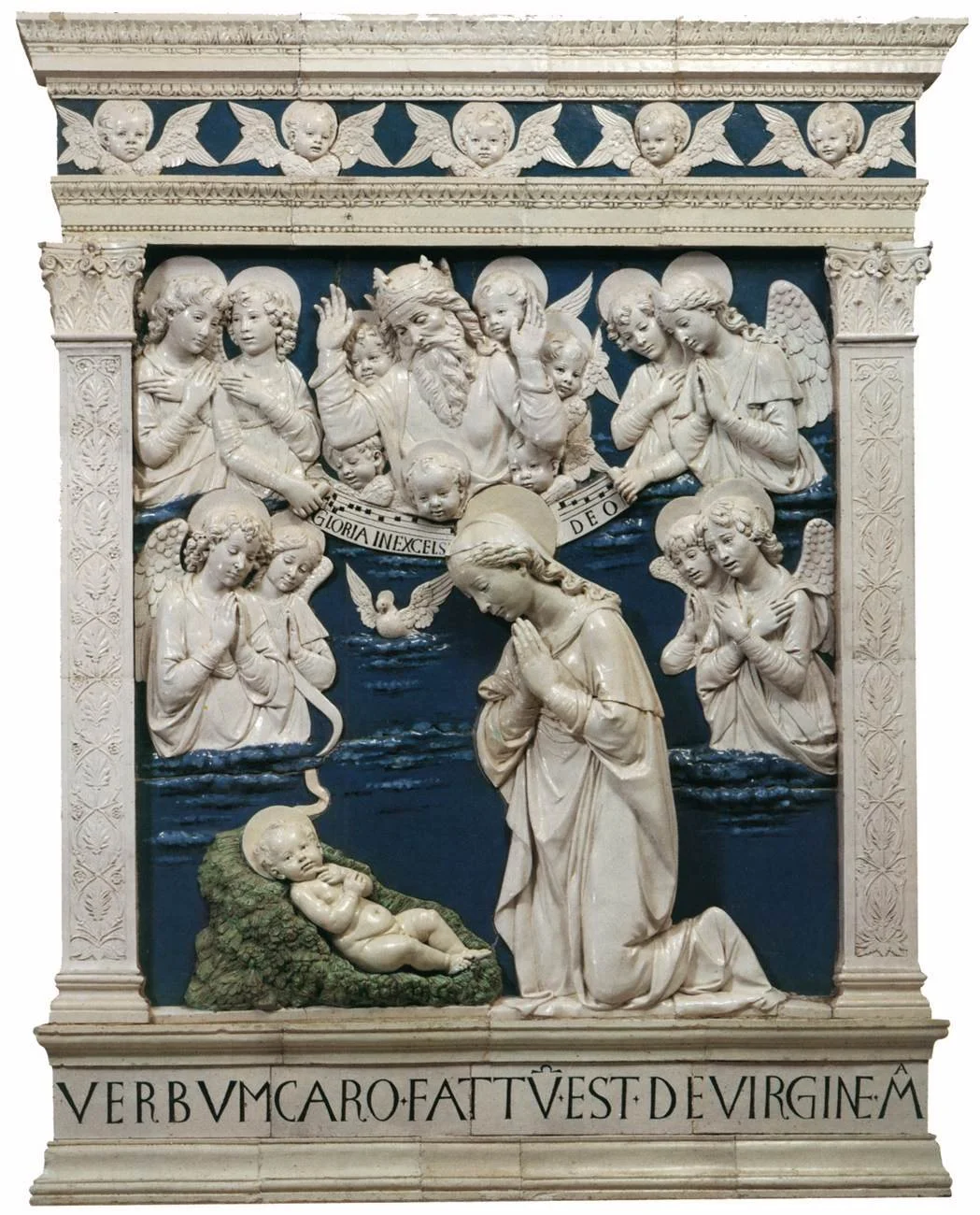
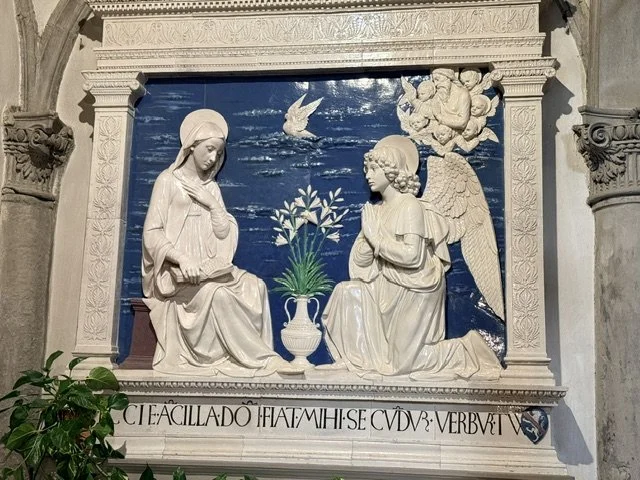
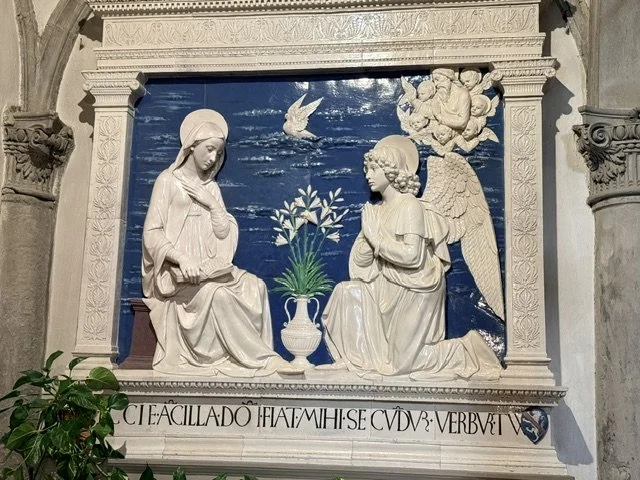
Supply Chain Mavens’ Maryanne Ross recently visited the Basilica at La Verna, the Franciscan sanctuary in the Tuscan mountains where St. Francis received the stigmata in 1224. The basilica holds glazed ceramic works by Andrea Della Robbia and his workshop, including a Nativity from 1479. More than 500 years later, the colors are still bright, and the way these pieces were made is a great supply chain story.
Local Materials, Imported Inputs. The clay came from the Arno riverbanks in Florence. The glaze needed imported tin for its white, opaque finish and lead oxides for the shine. Color came from widely available metal oxides: cobalt for blue, copper for green, and manganese for purple.
A Capacity Limit That Shaped the Design. Each piece was fired twice, once to turn the clay into terracotta and again after glazing. Kilns could only hold so much, so large works were built in sections and joined after firing, with the seams hidden along the lines of the relief. One Della Robbia relief in a San Francisco museum has 10 sections.
Standardization With a Personal Touch. Molds let the workshop reproduce popular designs quickly, and artisans added individual details by hand. That meant faster output and more commissions without losing craftsmanship.
Knowledge Transfer Across Generations. Luca della Robbia developed the technique, his nephew Andrea inherited the workshop and perfected polychrome glazes, and Andrea’s sons carried the business forward. The family workshop operated from the 1440s to about 1530.
Competition and Protecting Know-How. Around 1480, a rival workshop began imitating the Della Robbia methods. According to one popular story, a maid stole the glaze recipe and passed it to a competitor. Historians doubt that a single secret formula existed, but the story shows how much the technique was worth.
Distribution Beyond Florence. Works reached churches, monasteries, and noble homes across central Italy, and as far as Sicily, Spain, France, England, and Portugal. La Verna sits on a remote mountain, and pieces built in sections are easier to move, which is a useful feature for a destination like that.
Sourcing, capacity planning, standardization, succession planning, and distribution are the same topics our certification students study today. The Della Robbia family ran all of them in one workshop.
Thank you, Maryanne, for sharing a piece of supply chain history from your travels!